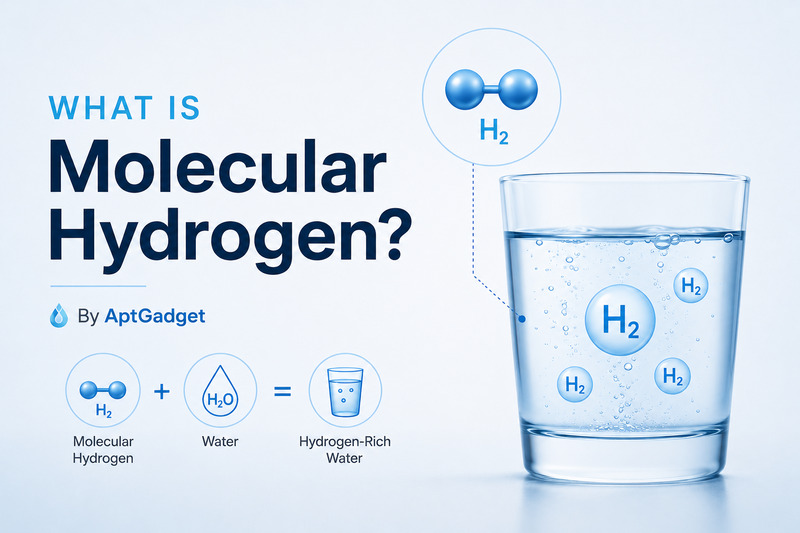

Molecular hydrogen is the gaseous form of hydrogen, represented by the chemical formula H₂. It consists of two hydrogen atoms bonded together and is the form of hydrogen dissolved in hydrogen-rich water.
Molecular hydrogen is colorless, odorless, and naturally present in very small amounts in the human body and the environment.
İçinde hydrogen water, H₂ gas is dissolved in ordinary drinking water. The water itself remains H₂O. Molecular hydrogen is added to the water rather than replacing or changing its natural structure.
Key Takeaways
- Molecular hydrogen (H₂) is dissolved gas in hydrogen water.
- It does not change the chemical structure of water.
- It is being studied for potential biological effects, but has not been confirmed as a therapy.
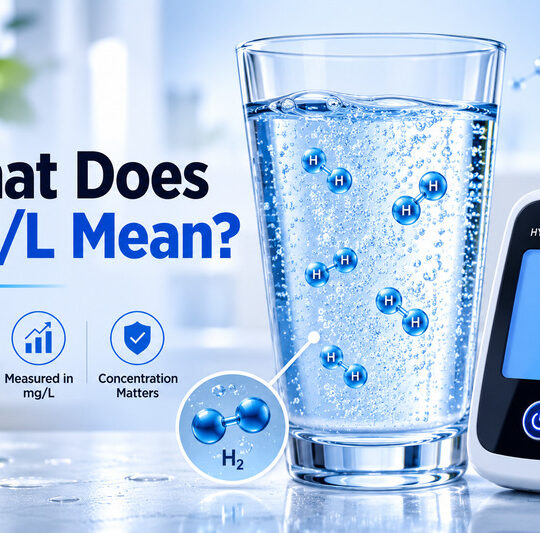
- Concentration is measured in PPM or mg/L.
How Is Molecular Hydrogen Connected to Hydrogen Water?
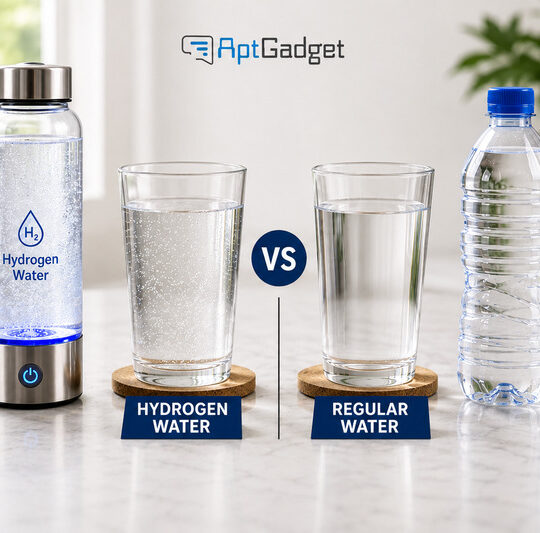
Hydrogen water is simply water that contains dissolved molecular hydrogen.
The idea is similar to carbonated water, which contains dissolved carbon dioxide. In hydrogen water, the dissolved gas is H₂ instead of CO₂.
This distinction matters because the name “hydrogen water” can sound as though the water molecule has been chemically altered. In most cases, it has not. It is regular water with additional molecular hydrogen dissolved in it.
Why Is Molecular Hydrogen Used in Water?
Molecular hydrogen has attracted scientific interest because researchers are studying how it may affect oxidative stress, inflammation, and cellular signaling.
These possible effects are still being investigated. Although some studies have reported promising findings, the evidence is not strong enough to treat hydrogen water as a proven therapy for any medical condition.
Hydrogen water should therefore be viewed as an emerging wellness product, not as a replacement for medical treatment, medication, or professional advice.
How Is Molecular Hydrogen Added to Water?
Hydrogen can be introduced into water in several ways.
Common methods include:
- Electrolysis
- Hydrogen-generating tablets
- Magnesium-based reactions
- Pressurized hydrogen infusion
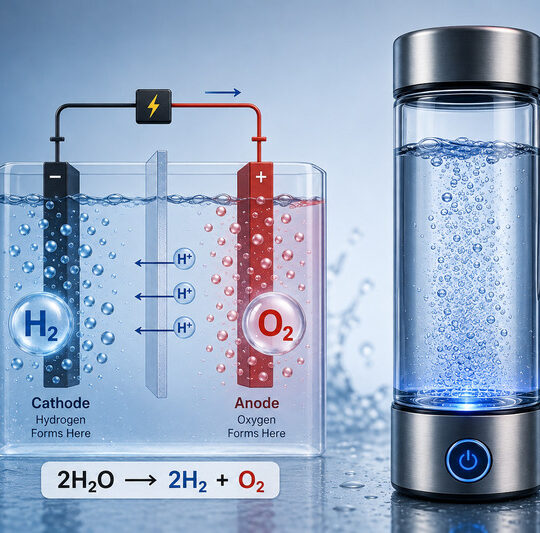
Many portable hydrogen water bottles use electrolysis technology. During this process, an electrical current helps generate hydrogen gas, which is then dissolved in the water.
The amount of hydrogen produced can vary depending on the device, water quality, treatment time, and testing method.
How Is Molecular Hydrogen Measured?
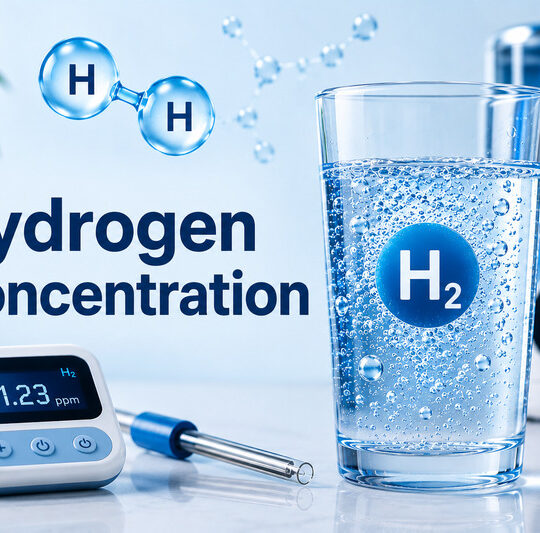
The concentration of dissolved hydrogen is usually reported in:
- Parts per million (PPM)
- Milligrams per liter (mg/L)
- Micromoles per liter (µmol/L)
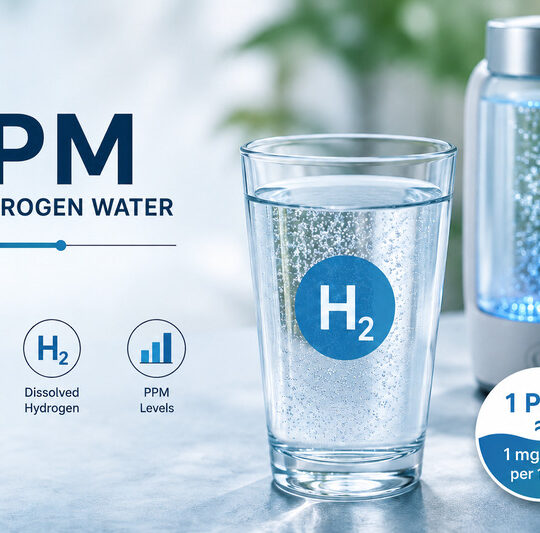
For dissolved hydrogen in water, 1 mg/L is approximately equal to 1 PPM.
A higher PPM reading means that more molecular hydrogen was present when the water was tested. However, concentration alone does not prove that a product will provide better health results.
Why Does Hydrogen Concentration Decrease?
Molecular hydrogen is a very small and highly mobile gas. It can escape from water over time, especially after a bottle or container is opened.
Hydrogen loss may happen faster when water is:
- Left uncovered
- Stored for a long period
- Shaken or poured repeatedly
- Exposed to heat
- Kept in unsuitable packaging
For this reason, freshly generated hydrogen water is often consumed soon after preparation.
Packaging also matters. Some materials retain dissolved hydrogen better than others.
Molecular Hydrogen vs. Hydrogen Ions
Molecular hydrogen is often confused with other hydrogen-related terms.
Here is the difference:
- Molecular hydrogen: H₂ gas
- Hydrogen ion: H⁺, which is linked to acidity and pH
- Hydrogen peroxide: H₂O₂, a separate chemical compound
- Water: H₂O
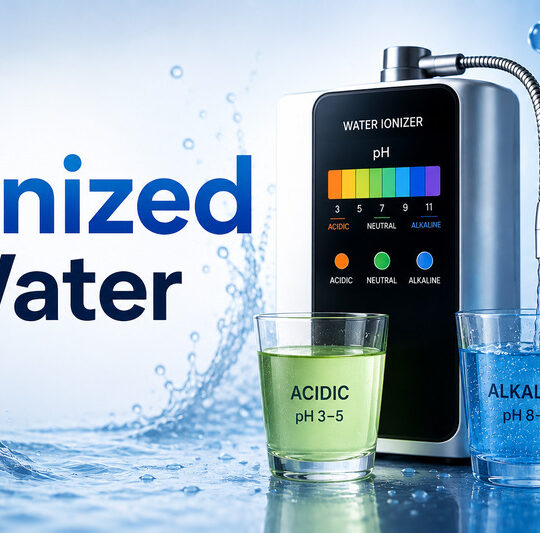
A water product can have a high or low pH without containing a meaningful amount of dissolved H₂. This is why pH should not be used as a direct measure of hydrogen concentration.
Is Molecular Hydrogen an Antioxidant?
Molecular hydrogen is often described as an antioxidant, but that description can be too broad.
Researchers are studying whether H₂ may interact with certain reactive molecules and influence biological signaling pathways. Its behavior is not identical to that of familiar antioxidants such as vitamin C or vitamin E.
Claims that hydrogen water removes all free radicals, prevents disease, or cures health conditions should be treated with caution. Current research does not support such sweeping conclusions.
What Should Consumers Look For?
When comparing hydrogen water products, look beyond marketing language.
Useful details include:
- Measured dissolved-hydrogen concentration
- Clear information about when the testing was performed
- Reliable or independent test results of the wellness tech
- Suitable packaging
- Realistic health claims
- Clear instructions for use
- Information about the generation time and water capacity
PPM can be helpful when comparing products, but it should not be the only factor considered. A trustworthy product should explain its hydrogen generation technology and how concentration is measured.
Related Terms
Sources and Further Reading
- Johnsen, H. M., Hiorth, M., & Klaveness, J. (2023). Molecular hydrogen therapy: A review on clinical studies and outcomes. Molecules, 28(23), 7785. https://doi.org/10.3390/molecules28237785
PMID: 38067515 | PMCID: PMC10707987 - LeBaron, T. W., Sharpe, R., & Ohno, K. (2022). Electrolyzed-reduced water: Review I. Molecular hydrogen is the exclusive agent responsible for the therapeutic effects. International Journal of Molecular Sciences, 23(23), 14750. https://doi.org/10.3390/ijms232314750
PMID: 36499079 | PMCID: PMC9738607 - National Center for Biotechnology Information. (2026). PubChem Compound Summary for CID 783: Hydrogen. Retrieved June 17, 2026, from https://pubchem.ncbi.nlm.nih.gov/compound/Hydrogen